Comprehensive Report on Women's Activity Under Women's Federation
Dates of Activity: 3rd & 4th October 2025
Location: Family Federation Center, Mishoro Village, Chipata, Zambia
Report Prepared By: Women's Federation Leadership, Chipata Chapter
1.0 Executive Summary
The October 2025 activities marked a period of significant growth and maturation for the Women's Federation initiative in Mishoro Village. The core nutrition and health program demonstrated quantifiable success with a record 212 children served, while the maternal workshop delved into advanced topics of economic stewardship. A landmark achievement was the successful launch of a vocational sewing class, signaling a strategic expansion from immediate relief toward sustainable economic empowerment for women.
2.0 Detailed Activity Breakdown
2.1 First Session: Expanded Child Nutrition & Health Monitoring (3rd October)
2.1.1 Opening and Scale:
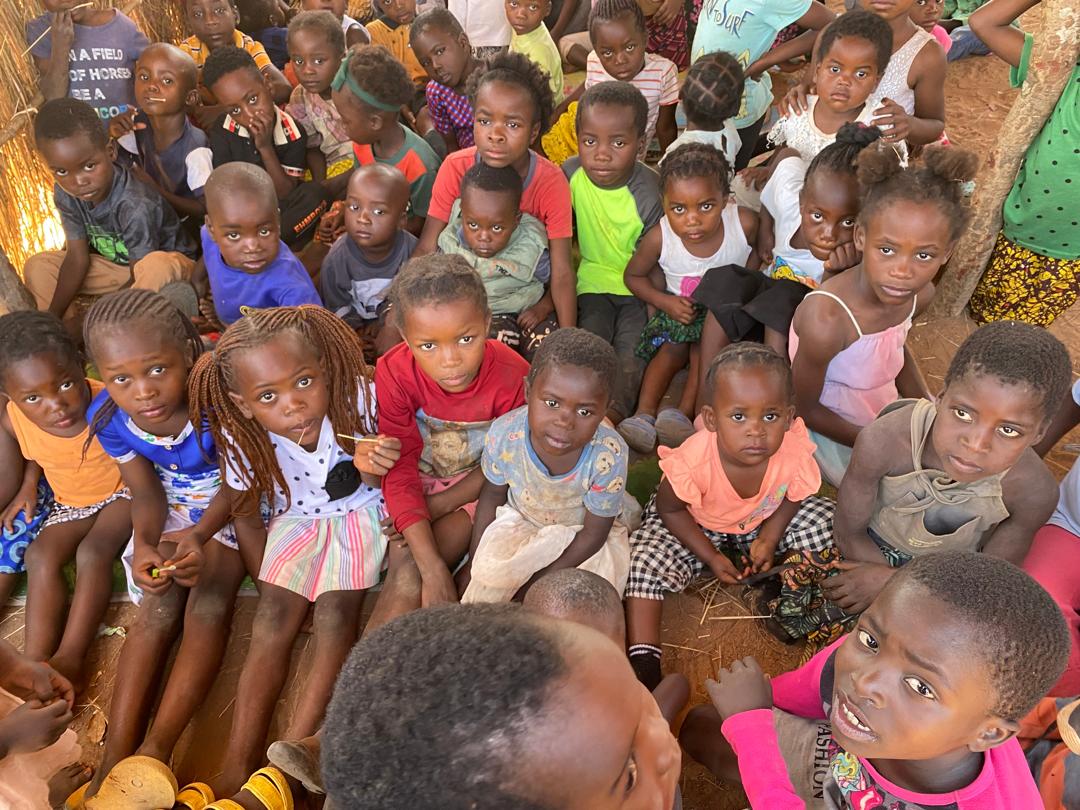
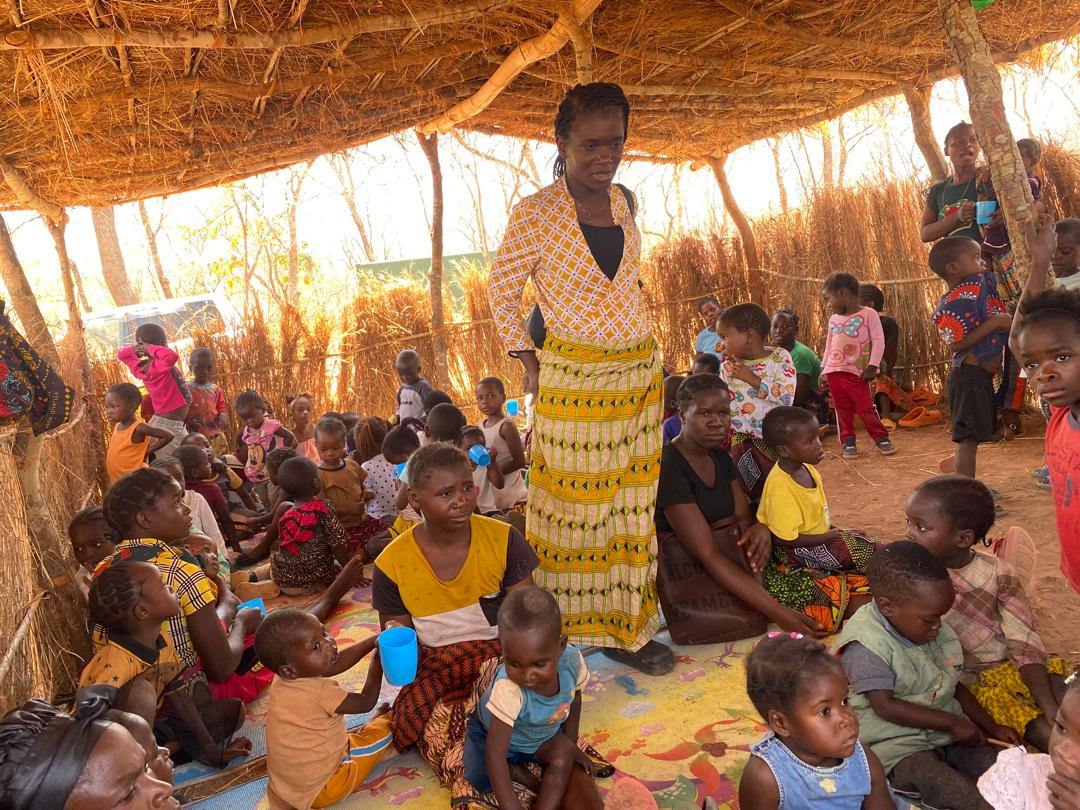
The session commenced with an opening prayer by Mrs. Victoria, setting a reflective tone for the day. The unprecedented attendance of 212 children, including 69 new registrations, underscored the program's growing reputation and the critical need for its services in the community.
2.1.2 Enhanced Nutrition Demonstration:
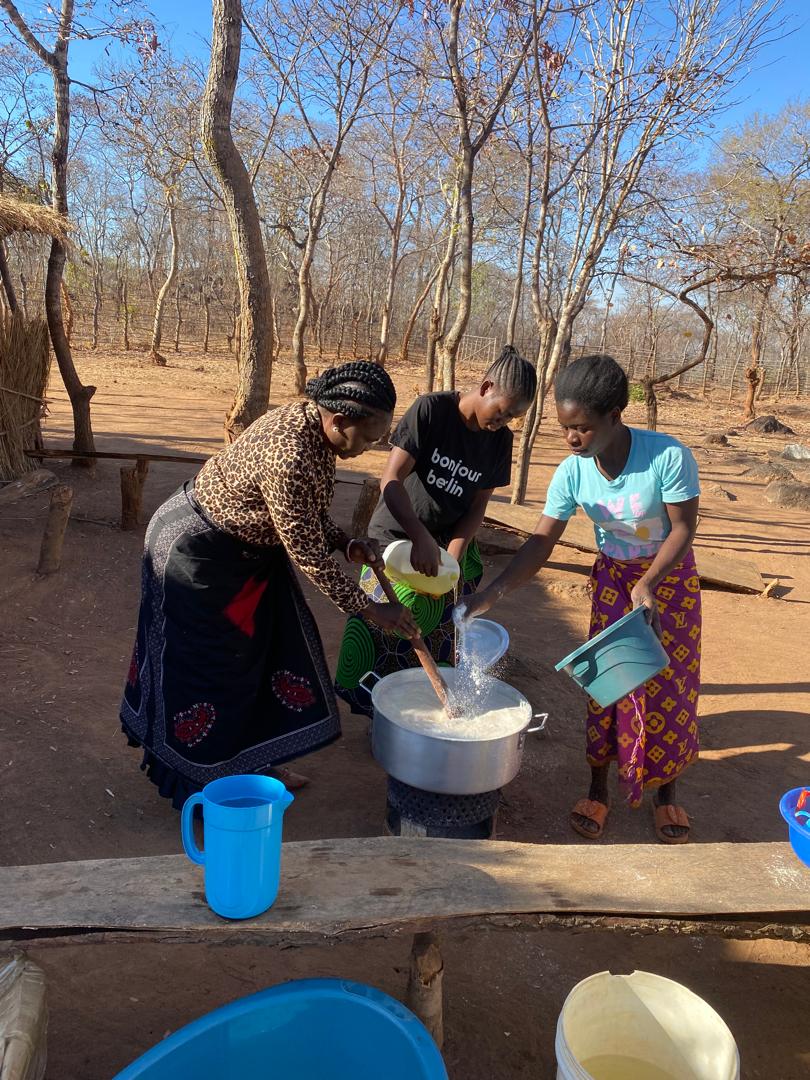
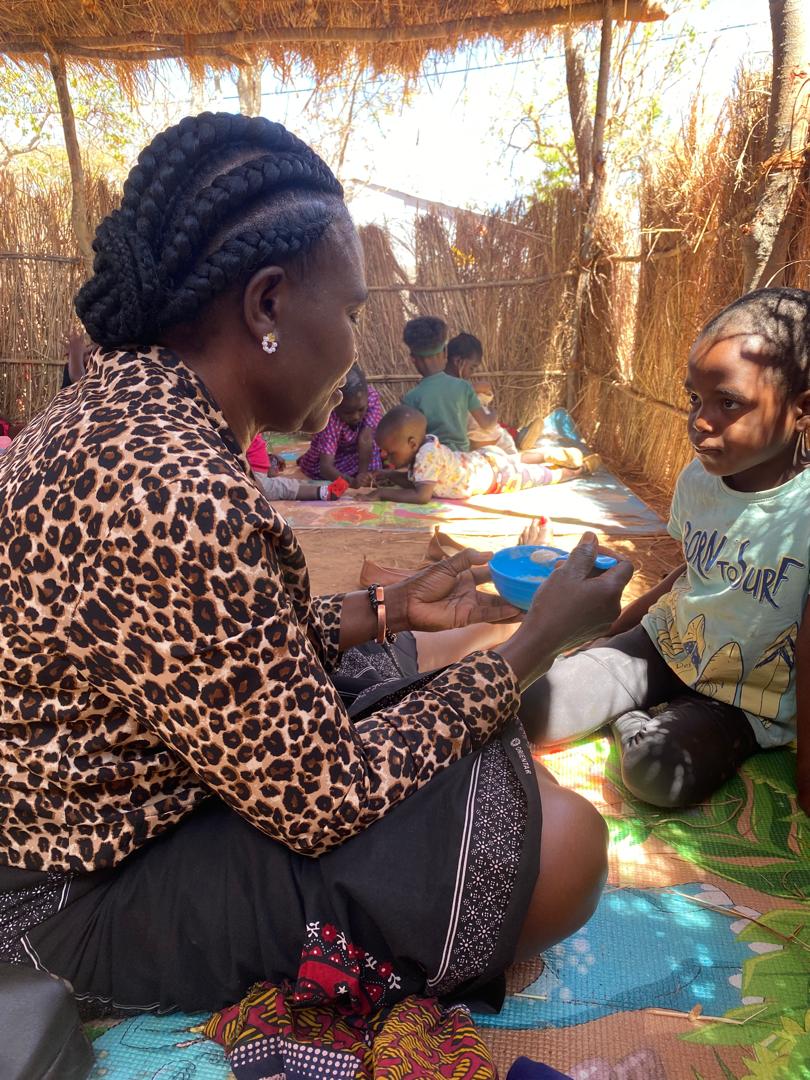
To address the large numbers, a practical demonstration was conducted on preparing a more nutrient-dense porridge. The new recipe combined soya, groundnut powder (a rich source of protein and healthy fats), and mealie meal. The logistical need to prepare three large pots of porridge simultaneously highlighted both the program's success and the ongoing challenge of scaling resources.
2.1.3 Systematic Health Assessment & Outcomes:
The weighing activity was conducted with increased rigor, leading to a structured classification of the children's progress:
• Discharged (33 Children): These children have achieved a stable and healthy weight for their age, indicating the program's direct positive impact. They will no longer require supplemental porridge but will be monitored informally.
• Under Observation (27 Children): This group showed significant improvement but needs one more month of nutritional support to meet discharge criteria. Their progress will be closely tracked in November.
• Special Care Cases (4 Children): These children were identified as having sickle cell disease, a condition requiring specialized medical care and dietary management that exceeds the program's current capacity.
2.1.4 Logistical and Childcare Management:
While mothers attended their workshop, a dedicated team consisting of Mrs. Lupili, Mrs. Jere, Mrs. Chanda, and Simon expertly managed the large group of children. They organized them into smaller, age-appropriate groups for structured play and activities, ensuring a safe and engaging environment.
2.2 Second Session: Maternal Workshop on Stewardship (3rd October)
2.2.1 Lecture and Discussion:
The workshop, facilitated by Mrs. Chanda (reading in English) and Mrs. Lupili (translating to Nyanja), focused on the chapter "Land, Property and Pets" from the "True Family Values" book which covers the third blessing. The discussion moved beyond abstract concepts to practical application within the village context.
2.2.2 Key Participant Contributions (Detailed):
• Mrs. Chonga: articulated a shift in perspective, stating, "It clicked in my mind that property isn't something you sell just when you want. You can take care of it and it can help you in the future in case of problems." This reflects a growing understanding of assets as security for the future.
• Mrs. Loreen: emphasized intergenerational learning, noting, "Our children need to be taught about the value of land, property, and pets for them to take care and care about it." This highlights the mothers' role as primary educators in fostering responsibility.
• Mrs. Axillaire: addressed a sensitive community issue directly, stating, "We who are learning here, people who have a habit of stealing other people's property or pets need to stop because it is causing more cases in our own life and property." This brave contribution linked individual behavior to community well-being.
2.2.3 Resource Distribution:
Following a closing prayer by Mrs. Lupili, sanitary pads were distributed to new mothers, and 1kg of soya porridge mix was given for children to take home, ensuring the nutritional support continues between sessions.
2.3 New Initiative: Launch of the Vocational Sewing Class (4th October)
2.3.1 Inaugural Session:
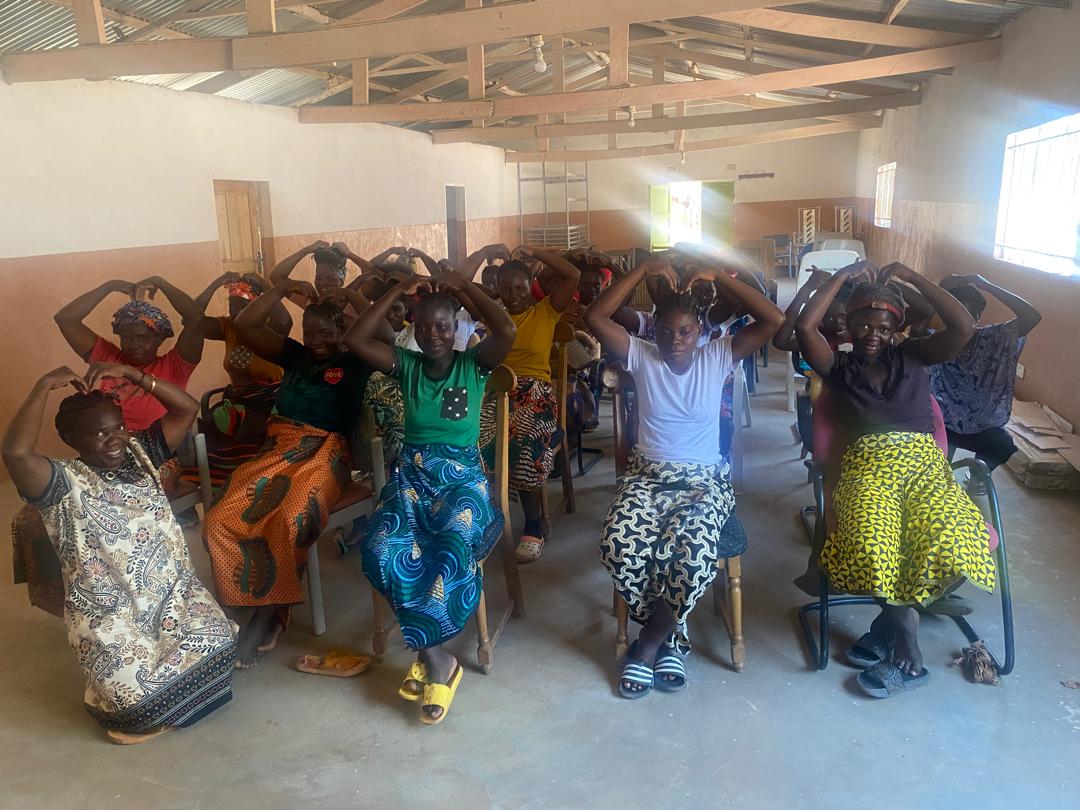
This new program began with a prayer by Mrs. Ruth Jere. The attendance of 19 women for the inaugural class demonstrated a strong desire for skills development.
2.3.2 Instruction and Curriculum:
The class was led by Ms. Elizabeth Katonda, a skilled tailor from Chuni Village. In this introductory session, she focused on:
• Outlining the necessary tools and materials for beginners.
• Setting expectations for the learning journey.
• Providing a foundational overview of sewing techniques.
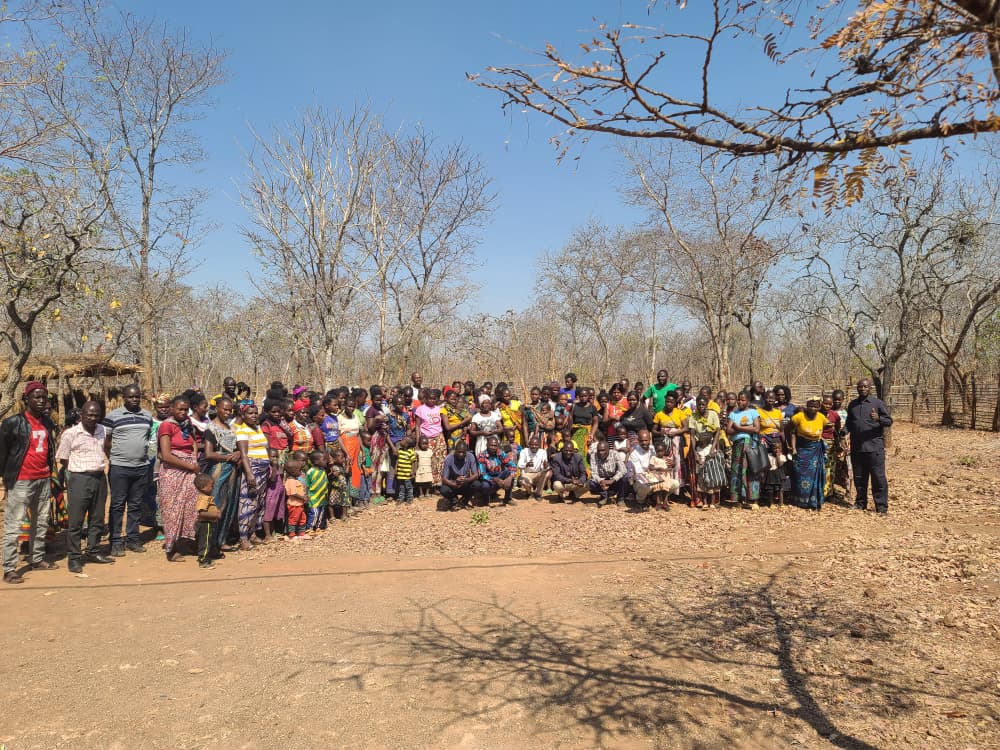
• The session concluded with a prayer by Mrs. Chanda and a group photograph, commemorating the start of this empowering new chapter.
3.0 Progress Metrics and Impact Analysis
3.1 Quantifiable Health Progress:
• Success Rate: 28% of the monitored cohort (33 children) have been successfully rehabilitated to a healthy weight.
• Improvement Rate: 13% (27 children) are on a clear trajectory to discharge, indicating the program's ongoing effectiveness.
• Program Reach: A 32% increase in new registrations (69 children) signals deep community trust and need.
3.2 Community Engagement & Response:
• The quality of discussion in the maternal workshop revealed a sophisticated grasp of stewardship principles, moving from acceptance to application.
• The immediate uptake of the sewing class confirms that women are eager to invest in long-term skills for economic independence.
4.0 Challenges and Strategic Responses
• Challenge 1: Inability to coordinate with the local clinic for the sickle cell cases and formal partnership.
• Response: A dedicated effort will be made in November to schedule a meeting with the clinic in-charge to establish a formal referral pathway.
• Challenge 2: Logistical strain due to overwhelming attendance, risking the quality of individual attention and resource distribution.
• Response: Explore a pre-registration system and seek additional funding from well wishes specifically for scaling food supplies and utensils.
5.0 Conclusion and Forward Outlook
The October sessions were a resounding success, demonstrating tangible health outcomes and a clear evolution in the program's scope. The introduction of vocational training marks a pivotal step from dependency toward self-reliance. The primary focus for the coming month is to secure a stable healthcare partnership to address complex medical cases like sickle cell and to consolidate the gains made in both the nutrition and empowerment pillars of the program.
Next Scheduled Session:7th, November 2025